Tag: RV essentials

  • First-Time RV Camping Checklist: Everything You Need for a Stress-Free First Trip

    First-Time RV Camping Checklist: Everything You Need for a Stress-Free First Trip

    There is something exciting about preparing for your very first RV camping trip.

    Whether you have purchased your own travel trailer, rented an RV for a weekend getaway, or booked your first campground reservation, that first camping adventure is a milestone you will always remember.

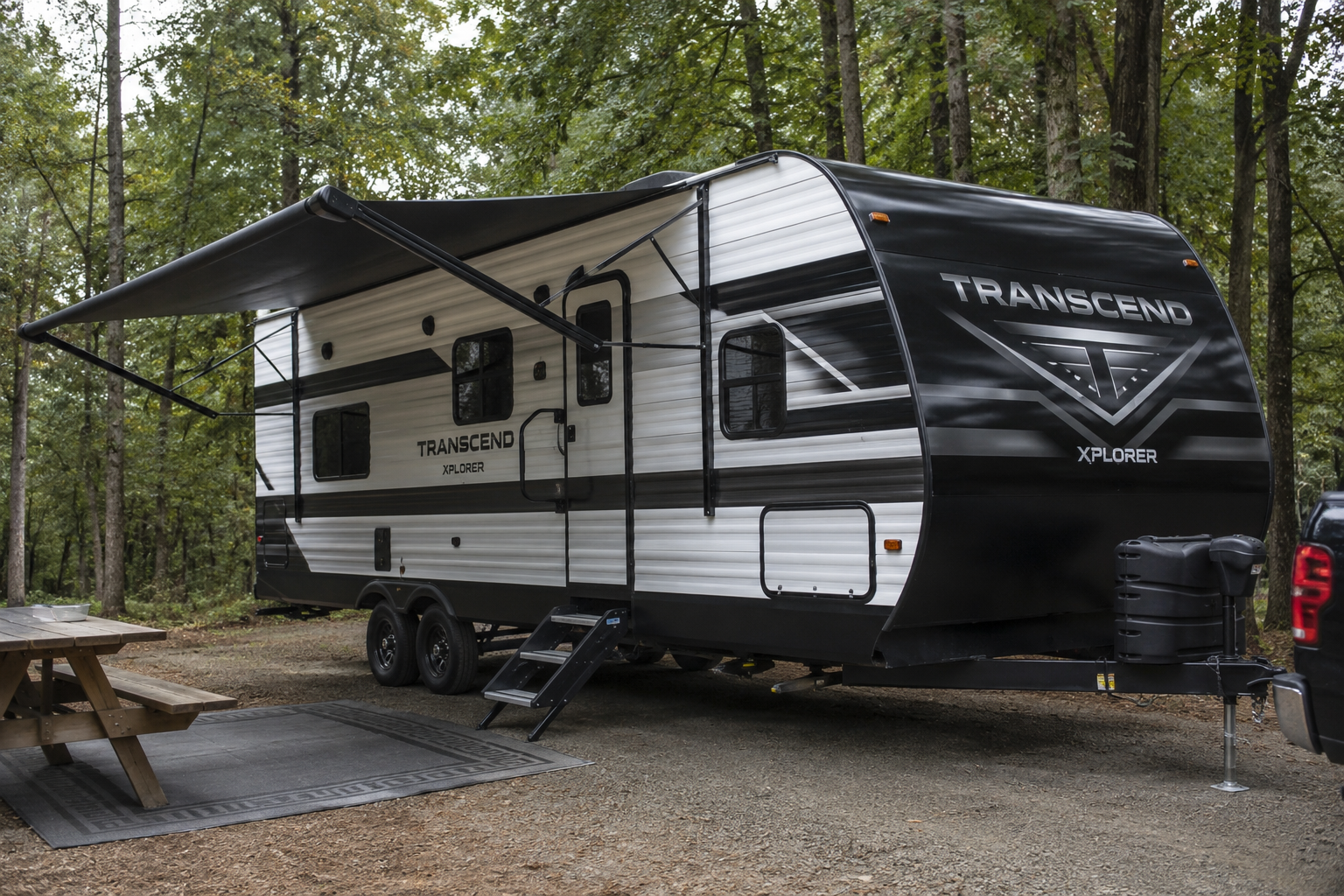
    We still remember our first few camping trips with our travel trailer. As a family of three traveling with our female Miniature Schnauzer, we checked our packing list repeatedly and worried about forgetting something important. Looking back, we learned that preparation makes a huge difference.

    The good news is that you do not need to know everything before your first trip. Every experienced camper started exactly where you are today.

    This first-time RV camping checklist includes the items we use, the routines that work for our family, and the things we wish someone had reminded us about before our first RV camping adventure.

    Why First-Time RV Camping Can Feel Overwhelming

    Unlike staying in a hotel or vacation rental, RV camping requires you to bring many of your daily necessities with you.

    You are responsible for sleeping arrangements, food, water connections, electrical hookups, waste management, outdoor setup, pet supplies, and travel-day organization.

    That can feel like a lot at first.

    The good news is that once you establish a routine, RV camping becomes much easier. We still use a checklist before every trip because it helps us avoid forgetting important items.

    What We Do Before Leaving Home

    Confirm Campground Information

    A few days before departure, we verify:

    • Campground address
    • Site number
    • Check-in and check-out times
    • Pet policies
    • Hookup availability
    • Campground rules
    • Any quiet hours or parking rules

    Knowing whether your site offers full hookups, water and electric only, or no hookups at all helps you pack appropriately.

    Check the Weather Forecast

    Weather can completely change your camping experience.

    Before every trip we check:

    • Daytime temperatures
    • Overnight temperatures
    • Rain forecasts
    • Wind forecasts
    • Severe weather alerts

    This is especially important when camping in mountain destinations where weather conditions can change quickly.

    Perform an RV Walkaround

    Before towing our travel trailer, we inspect:

    • Tire pressure
    • Hitch connection
    • Safety chains
    • Breakaway cable
    • Exterior lights
    • Battery condition
    • Propane levels
    • Storage doors
    • Awning position
    • Steps and stabilizers

    Spending a few minutes on a walkaround inspection can help prevent bigger problems once you are on the road.

    Test Essential RV Systems

    Before leaving home, verify that your RV systems are working properly.

    Check:

    • Refrigerator
    • Air conditioner
    • Furnace
    • Water heater
    • Water pump
    • Interior lighting
    • Slide-outs, if applicable

    It is much easier to discover an issue in your driveway than at the campground.

    RV Setup Equipment Checklist

    These are some of the items we never leave home without.

    Electrical Equipment

    Bring:

    A surge protector is one of the first accessories we purchased because it can help protect the RV from electrical problems at unfamiliar campgrounds.

    Water Equipment

    Pack:

    These items help protect your plumbing system and improve water quality.

    Sewer Equipment

    For full-hookup campsites, bring:

    Sewer setup may feel intimidating the first time, but having the right supplies makes the process much easier.

    Leveling Equipment

    A level RV improves comfort and helps appliances operate properly.

    We always carry:

    These are especially important for travel trailer owners.
    Kitchen Supplies We Always Bring

    One thing we quickly learned is how much we use our RV kitchen.

    Kitchen Essentials

    Our RV kitchen includes:

    • Plates
    • Bowls
    • Cups
    • Coffee mugs
    • Silverware
    • Cooking utensils
    • Pots and pans
    • Cutting board
    • Can opener
    • Dish soap
    • Sponge
    • Paper towels
    • Trash bags
    • Food storage containers

    Many RV owners create a dedicated camping kitchen that stays stocked between trips. That has helped us avoid packing the same basic items over and over again.

    Food Planning Tips

    We recommend planning meals before departure.

    Our typical camping food list includes:

    • Breakfast items
    • Sandwich supplies
    • Easy dinners
    • Snacks
    • Coffee supplies
    • Bottled water
    • Condiments

    Meal planning helps reduce waste, saves space, and keeps the trip more relaxed.

    For a first trip, simple meals are best. Think sandwiches, grilled food, easy breakfasts, and snacks that do not require a lot of prep.

    Bedding and Personal Items

    Bedding Checklist

    Pack:

    • Sheets
    • Pillows
    • Blankets
    • Extra blanket for cool nights

    Even during warmer months, mountain campgrounds can become surprisingly chilly overnight.

    Clothing Checklist

    Bring:

    • Daily outfits
    • Extra socks
    • Sweatshirt
    • Rain jacket
    • Comfortable walking shoes
    • Campfire clothes
    • Pajamas

    We usually pack one extra outfit per person just in case.

    Toiletries Checklist

    Do not forget:

    • Toothbrushes
    • Toothpaste
    • Shampoo
    • Soap
    • Deodorant
    • Prescription medications
    • Sunscreen
    • Bug spray
    • Contact lens supplies, if needed

    A dedicated camping toiletry bag makes packing easier for future trips.

    Campground Comfort Items

    Some of our favorite camping memories happen outside around the campsite.

    Outdoor Living Essentials

    We always pack:

    • Camping chairs
    • Outdoor rug
    • Folding table
    • Lantern
    • Flashlights
    • Headlamps

    These simple items make the campsite feel more comfortable and organized.

    Relaxation Items

    Some of our favorite campsite comforts include:

    Camping is one of our favorite ways to slow down and spend quality family time together.

    Safety and Emergency Supplies

    Safety Essentials

    Always bring:

    Helpful Backup Supplies

    These small items have helped us more than once:

    • Duct tape
    • Zip ties
    • Spare fuses
    • Work gloves
    • Extra batteries
    • Flashlight batteries
    • Extra trash bags

    You may not need them every trip, but when you do, you will be glad you packed them.

    Camping With Our Miniature Schnauzer

    One of the best parts of RV camping is bringing our Miniature Schnauzer along for the adventure.

    Dog Packing Checklist

    We always pack:

    • Dog food
    • Treats
    • Food bowl
    • Water bowl
    • Leash
    • Harness
    • Dog bed
    • Favorite toys
    • Waste bags
    • Medications
    • Vaccination records

    Familiar items help our schnauzer settle into the campground more comfortably.

    Dog Safety Supplies

    We also bring:

    Before booking, we always check campground pet rules. Some campgrounds limit the number of dogs, have breed restrictions, require leashes, or do not allow pets in certain areas.

    Our Arrival Day Setup Routine

    Arrival day can be stressful for first-time campers.

    Taking your time makes everything easier.

    Before Parking

    Check for:

    • Low tree branches
    • Utility locations
    • Site slope
    • Obstacles
    • Slide-out clearance
    • Picnic table location
    • Fire ring location

    Having one person guide the driver can make parking much easier.

    After Parking

    Our typical setup order is:

    1. Level the trailer
    2. Chock the wheels
    3. Disconnect from the tow vehicle
    4. Connect electricity
    5. Connect water
    6. Connect sewer if needed
    7. Extend slide-outs
    8. Lower stabilizers
    9. Set up the outdoor area

    Following the same routine each trip builds confidence and reduces mistakes.

    Common First-Time RV Camping Mistakes

    Some mistakes are almost a rite of passage.

    Common beginner mistakes include:

    • Overpacking
    • Arriving after dark
    • Forgetting wheel chocks
    • Skipping a walkaround inspection
    • Not checking campground rules
    • Forgetting leveling blocks
    • Leaving awnings open during storms
    • Packing too many complicated meals
    • Forgetting pet supplies

    Most campers make a few mistakes early on. The important thing is learning from them and enjoying the experience.

    Family Travel Tips for a First RV Trip

    For your first RV camping trip, we recommend keeping things simple.

    Choose a campground that is not too far from home. A shorter drive makes travel day easier and gives you more time to set up before dark.

    It also helps to choose a campground with full hookups for your first trip. Water, electric, and sewer connections make the experience more beginner-friendly while you are still learning your RV systems.

    A few more family tips:

    • Plan simple meals.
    • Bring activities for downtime.
    • Pack layers for changing weather.
    • Keep snacks and drinks easy to reach.
    • Give yourself extra time for setup and breakdown.
    • Do not expect everything to go perfectly.

    The goal of your first trip is not perfection. It is learning, relaxing, and making memories together.

    Dog-Friendly RV Camping Tips

    Camping with a dog takes extra planning, but it is worth it for our family.

    Before every trip, we think through our dog’s comfort just like we think through our own.

    Helpful dog-friendly camping tips include:

    • Confirm campground pet policies before booking.
    • Keep your dog leashed unless you are in a designated off-leash area.
    • Bring more water than you think you will need.
    • Check paws after walks or hikes.
    • Keep vaccination records accessible.
    • Bring familiar bedding or toys.
    • Know where the nearest veterinary clinic is located.
    • Do not leave your dog unattended outside.

    Policies, fees, operating hours, and pet rules can change. We recommend confirming current information directly with the campground before your visit.

    Final Thoughts

    Your first RV camping trip will probably teach you a few lessons, and that is perfectly normal.

    Some of our favorite family memories have come from camping trips with our travel trailer and Miniature Schnauzer. Every campground teaches us something new, and every trip helps us become more confident campers.

    Preparation goes a long way, but do not worry about making everything perfect.

    Focus on spending time together, enjoying the outdoors, and creating memories. The rest gets easier with every trip.

    You May also Like

    Rainy Day Activities While Camping With a Dog
    Complete Travel Trailer Setup Checklist: Our Step-by-Step Routine for Stress-Free Camping
    First-Time RV Camping Checklist: Everything You Need for a Stress-Free First Trip

    Frequently Asked Questions

    What should first-time RV campers bring?

    First-time RV campers should bring leveling equipment, water hoses, electrical hookups, sewer supplies, bedding, kitchen items, safety gear, toiletries, food, and personal items. If traveling with a dog, pack food, bowls, leash, harness, waste bags, medications, and vaccination records.

    How early should we arrive at a campground?

    We recommend arriving before dark whenever possible. Setting up an RV campsite is much easier when you can clearly see the site, hookups, obstacles, and leveling needs.

    Do we need a surge protector for RV camping?

    Many RV owners use a surge protector to help protect their RV electrical system from campground power issues. It is one of the first RV accessories we recommend considering.

    What do new RV campers commonly forget?

    Commonly forgotten RV items include wheel chocks, leveling blocks, hose washers, extension cords, trash bags, flashlights, and pet supplies.

    Can we bring our dog RV camping?

    Many campgrounds allow dogs, but pet policies vary. Always check leash rules, pet fees, breed restrictions, and campground-specific requirements before booking.

    How long should our first RV camping trip be?

    A weekend trip is a good starting point for many families. It gives you time to learn your RV setup without feeling too overwhelming.

    Affiliate Disclosure

    This post may contain affiliate links. If you make a purchase through these links, we may earn a small commission at no additional cost to you. We only recommend products, services, and destinations that we genuinely believe may be helpful to our readers.

    Advertising Disclosure

    Travelers and a Schnauzer participates in advertising programs, including Google AdSense. Advertisements displayed on this site help support our content and allow us to continue sharing travel tips, destination guides, camping adventures, vacation rental experiences, and travels with our miniature schnauzer.
  • Complete Travel Trailer Setup Checklist: Our Step-by-Step Routine for Stress-Free Camping

    Complete Travel Trailer Setup Checklist: Our Step-by-Step Routine for Stress-Free Camping

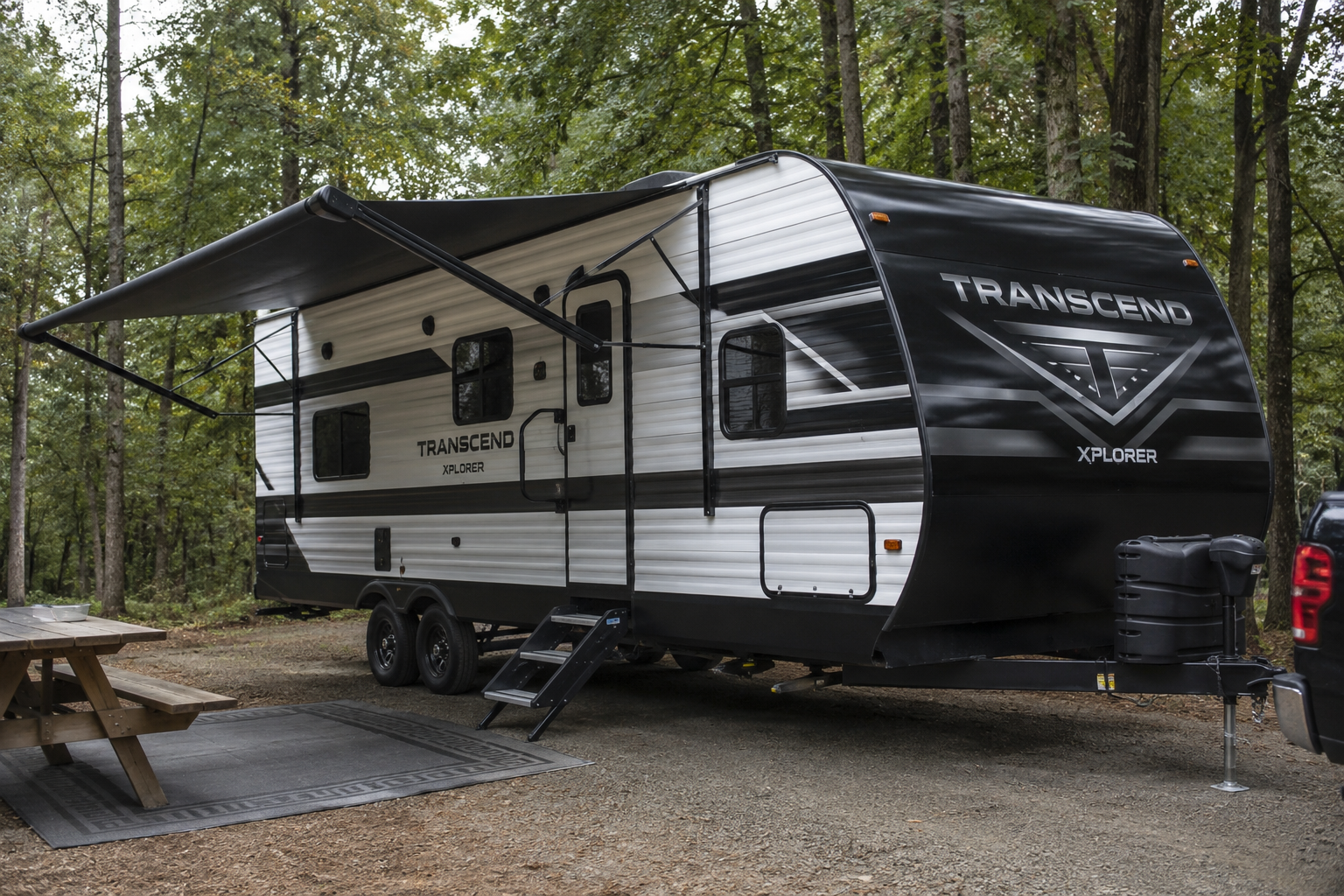
    On one of our favorite parts of travel trailer camping is finally arriving at the campground.

    Whether we’re spending a weekend in the North Carolina mountains, camping near a lake, or enjoying a quick getaway close to home, there’s always a sense of excitement when we pull into our campsite.

    At the same time, arriving after a long drive can be a little hectic.

    It’s easy to get distracted, rush through the process, or forget an important step.

    Over the years, we’ve learned that having a consistent travel trailer setup routine makes every camping trip more enjoyable.

    Instead of wondering if we remembered something important, we can focus on settling in, taking our Miniature Schnauzer for a walk, and enjoying the adventure ahead.

    This is the travel trailer setup checklist we follow on every camping trip.

    Why We Always Use a Travel Trailer Setup Checklist

    When we first started camping with our travel trailer, our arrival routine wasn’t always as organized as it is today.

    Nothing major ever went wrong, but we occasionally found ourselves double-checking connections, repeating steps, or realizing we had overlooked something simple.

    Creating a repeatable setup process helped eliminate that stress.

    Benefits of a Consistent Setup Routine

    A setup checklist helps us:

    • Improve campsite safety
    • Avoid forgotten steps
    • Protect RV systems
    • Speed up campsite setup
    • Reduce stress
    • Create a smoother camping experience

    The best part is that after a few trips, the process becomes second nature.

    Before You Pull Into the Campsite

    Before backing into any campsite, we always take a few minutes to inspect the area.

    Those few minutes can prevent a lot of frustration later.

    Check the Campsite Layout

    We look for:

    • Low-hanging branches
    • Large rocks
    • Utility pedestal locations
    • Fire pit placement
    • Picnic table location
    • Space for slide-outs
    • Potential obstacles

    This quick walkaround helps us visualize exactly where we want the trailer positioned.

    Use a Spotter

    Whenever possible, one family member guides the driver into the site.

    Clear hand signals and communication make backing into campsites much easier, especially in tighter campground loops.

    This is one step we never skip. This also allows us to align all of our connections up before we disconnect from the truck.

    Positioning and Leveling the Trailer

    Once we’re in position, we begin our leveling process.

    Position the Trailer Carefully

    Before doing anything else, we verify:

    • The trailer is centered
    • The entry door opens fully
    • Slide-outs have enough clearance
    • The awning area is usable
    • Outdoor seating space is comfortable

    Spending an extra minute here often saves time later.

    Level Side-to-Side

    Before unhitching, we always level side-to-side first.

    We use RV leveling blocks beneath the low-side tires when necessary.

    To confirm we’re level, we use either:

    • A bubble level
    • A leveling app
    • A built-in leveling system

    Getting this step right makes everything else easier.

    Chock the Wheels

    This is one of the most important safety steps in our setup process.

    We place wheel chocks securely against the tires before unhitching. We have tried many wheel chocks and many of them seem to break overtime. We have had these for over six years and they are still amazing.

    Wheel chocks help prevent unwanted trailer movement and give us peace of mind while setting up.

    If you have a dual axel, I also highly recommend a dual axel stabilizer wheel chock. We use both of these on our travel trailer and it cuts down on movement when walking in the travel trailer.

    Unhitching and Stabilizing the Trailer

    With the trailer level and secured, we can disconnect from the tow vehicle.

    Disconnect From the Tow Vehicle

    Our typical process includes:

    • Lowering the tongue jack
    • Raising the coupler off the hitch ball
    • Disconnecting safety chains
    • Unplugging the trailer wiring harness
    • Removing weight distribution bars if equipped

    Taking your time during this step helps prevent accidental damage.

    Level Front-to-Back

    Once disconnected, we use the tongue jack to level the trailer front-to-back.

    Many newer RVs include leveling systems, but a simple level works perfectly well too.

    Lower Stabilizer Jacks

    After leveling, we lower the stabilizer jacks.

    It’s important to remember that stabilizers are designed to reduce movement, not level the trailer.

    We lower them until they are snug and secure without lifting the RV.

    Connecting Utilities

    Once the trailer is stable, we move on to hookups.

    Electrical Hookup

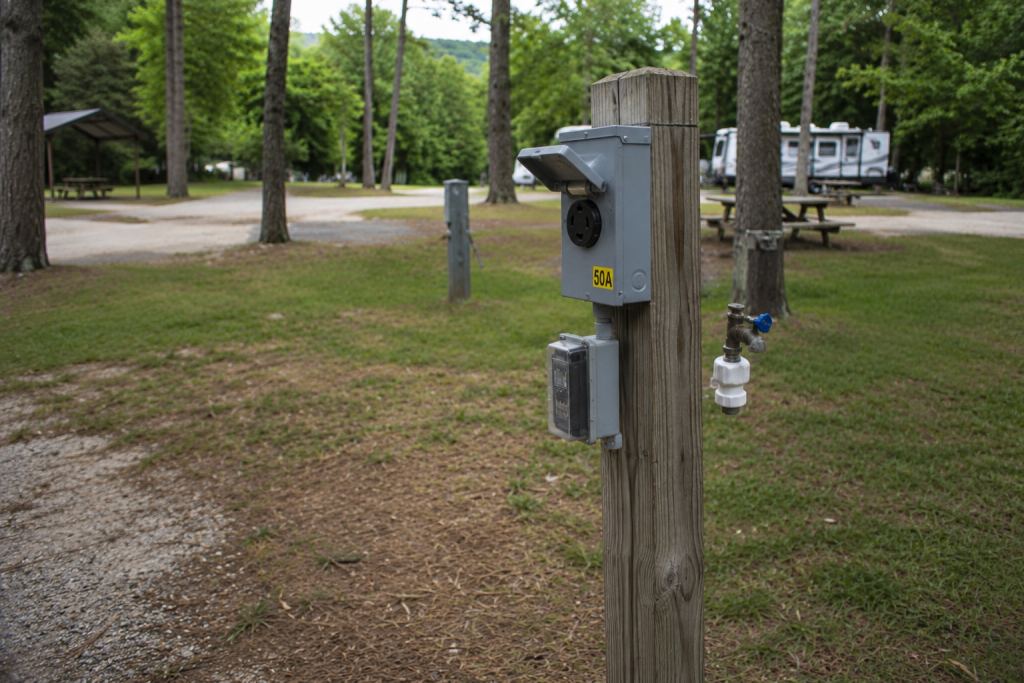
    Before connecting power, we inspect the campground pedestal for any obvious signs of damage.

    Our electrical hookup routine includes:

    1. Turn the breaker off
    2. Connect surge protector
    3. Plug in the power cord
    4. Turn the breaker back on

    A quality surge protector is one of the most important pieces of RV equipment we own. In the course of owning two travel trailers we have tried many different surge protectors and EMS systems over the years. This one has performed far better than any of the others we have purchased. Not only is it a surge protector, it also allows you to run one AC from a 110 plug. This is amazing even for loading and unloading the travel trailer at home in the summertime when a higher voltage plug is not available. This is the 50 Amp version. They also have a 30 Amp version.

    Water Hookup

    We never connect directly to campground water without using a few accessories.

    Our setup includes:

    After connecting, we slowly turn on the water and inspect for leaks.

    Sewer Hookup

    At full-hookup sites, we connect the sewer hose after completing power and water hookups.

    Our sewer setup includes:

    • Secure hose connections
    • Sewer hose support when needed
    • Keeping tank valves closed until dumping

    Keeping the valves closed helps maintain proper tank function and reduces odors.

    Expanding Our Living Space

    One of the things we love about travel trailer camping is creating a comfortable campsite.

    Extend the Slide-Outs

    Before extending slides, we check for:

    • Trees
    • Utility posts
    • Picnic tables
    • Other obstructions

    Once everything is clear, we extend the slides according to the manufacturer’s recommendations.

    Deploy the Awning

    The awning quickly transforms a campsite into an outdoor living area.

    We enjoy sitting outside beneath it while our schnauzer relaxes nearby.

    However, we only deploy it when weather conditions are favorable.

    If strong winds or storms are expected, we keep it retracted.

    Interior Trailer Setup

    With the outside complete, we move indoors.

    Turn On Essential Systems

    We typically:

    • Verify refrigerator operation
    • Turn on the water heater
    • Set the thermostat
    • Check battery status
    • Confirm appliances are working

    Organize the Living Space

    A few minutes of organization goes a long way.

    We put away travel items, organize the kitchen, plug in chargers, and get everything ready for the trip.

    Once complete, the trailer feels much more like home.

    Setting Up Camp for Our Schnauzer

    Our Miniature Schnauzer knows exactly what campground arrival means.

    As soon as we stop, she’s ready to start exploring.

    Create a Familiar Space

    One thing we’ve learned is that dogs settle into a new environment faster when familiar items are available.

    We immediately set out:

    • Food bowl
    • Water bowl
    • Dog bed
    • Favorite blanket
    • Treat container
    • Toys
    • Leash and harness

    Maintaining her normal routine helps her feel comfortable.

    Check the Campsite for Hazards

    Before allowing her to explore, we inspect the campsite for:

    • Sharp sticks
    • Fire pit debris
    • Broken glass
    • Ant mounds
    • Wildlife concerns

    This quick inspection helps keep everyone safe.

    Take an Arrival Walk

    One of our favorite camping traditions is taking a short walk immediately after setup.

    This gives our schnauzer an opportunity to:

    • Burn off energy
    • Explore new smells
    • Learn the campground layout
    • Become comfortable with her surroundings

    It also gives us a chance to start relaxing after the drive.

    Final Campsite Walkaround

    Before declaring setup complete, we always perform one final inspection.

    Our Final Walkaround Checklist

    ✓ Wheel chocks secure

    ✓ Stabilizer jacks lowered

    ✓ Utilities connected properly

    ✓ Slides fully extended

    ✓ Awning secure

    ✓ Water heater operating

    ✓ No visible leaks

    ✓ Campsite clear of hazards

    ✓ Dog setup complete

    The entire walkaround takes only a few minutes but helps us feel confident everything is ready.

    Family Camping Tips

    Stay Consistent

    Using the same setup routine every trip helps prevent mistakes.

    Don’t Rush

    A few extra minutes spent checking connections is always worthwhile.

    Assign Tasks

    Each family member can handle specific responsibilities to make setup faster.

    Keep a Printed Checklist

    Even experienced campers occasionally forget something.

    Having a checklist available can be helpful.

    Dog-Friendly Camping Tips

    Always Bring Extra Water

    Campgrounds don’t always have water nearby when you’re outside.

    Use a Long Lead Carefully

    Only where campground rules allow and never leave dogs unattended.

    Watch Wildlife

    Mountain campgrounds often have squirrels, deer, birds, and other wildlife that may excite curious dogs.

    Maintain a Routine

    Keeping feeding and walking schedules consistent helps dogs settle into camping life more easily.

    Why We Never Skip Our Setup Routine

    Camping should be relaxing.

    Following the same setup process every time helps us avoid unnecessary stress and start enjoying our trip sooner.

    Whether we’re camping in the Blue Ridge Mountains, exploring a new campground, or returning to a favorite destination, our setup routine keeps everything organized and safe.

    Final Thoughts

    Setting up a travel trailer doesn’t have to be complicated.

    A simple checklist and a consistent routine can help make campground arrivals smoother, safer, and more enjoyable.

    For our family, that means spending less time worrying about setup and more time sitting outside, enjoying the scenery, and watching our Miniature Schnauzer happily explore her temporary backyard.

    Those quiet moments are what camping is all about.

    You May also Like

    First-Time RV Camping Checklist: Everything You Need for a Stress-Free First Trip
    Rainy Day Activities While Camping With a Dog
    Traveling With a Schnauzer: Why They’re Great Adventure Dogs

    Frequently Asked Questions

    How long does it take to set up a travel trailer?

    Most setups take between 20 and 45 minutes depending on campsite conditions and hookups.

    Should you level a travel trailer before unhitching?

    Yes. Side-to-side leveling should be completed before unhitching from the tow vehicle.

    Do stabilizer jacks level a travel trailer?

    No. Stabilizer jacks reduce movement but should not be used for leveling.

    What RV accessories are essential for campsite setup?

    Leveling blocks, wheel chocks, a surge protector, water pressure regulator, drinking water hose, and sewer hose support are all helpful.

    When should sewer valves remain closed?

    For most campers, keeping tank valves closed until dumping helps maintain proper tank function.

    What should I do immediately after setting up camp?

    We recommend taking a short campground walk, checking the campsite, and helping pets settle into their new surroundings.

    Affiliate Disclosure

    This post may contain affiliate links. If you make a purchase through these links, we may earn a small commission at no additional cost to you. We only recommend products, services, and destinations that we genuinely believe may be helpful to our readers.

    Advertising Disclosure

    Travelers and a Schnauzer participates in advertising programs, including Google AdSense. Advertisements displayed on this site help support our content and allow us to continue sharing travel tips, destination guides, camping adventures, vacation rental experiences, and travels with our miniature schnauzer.