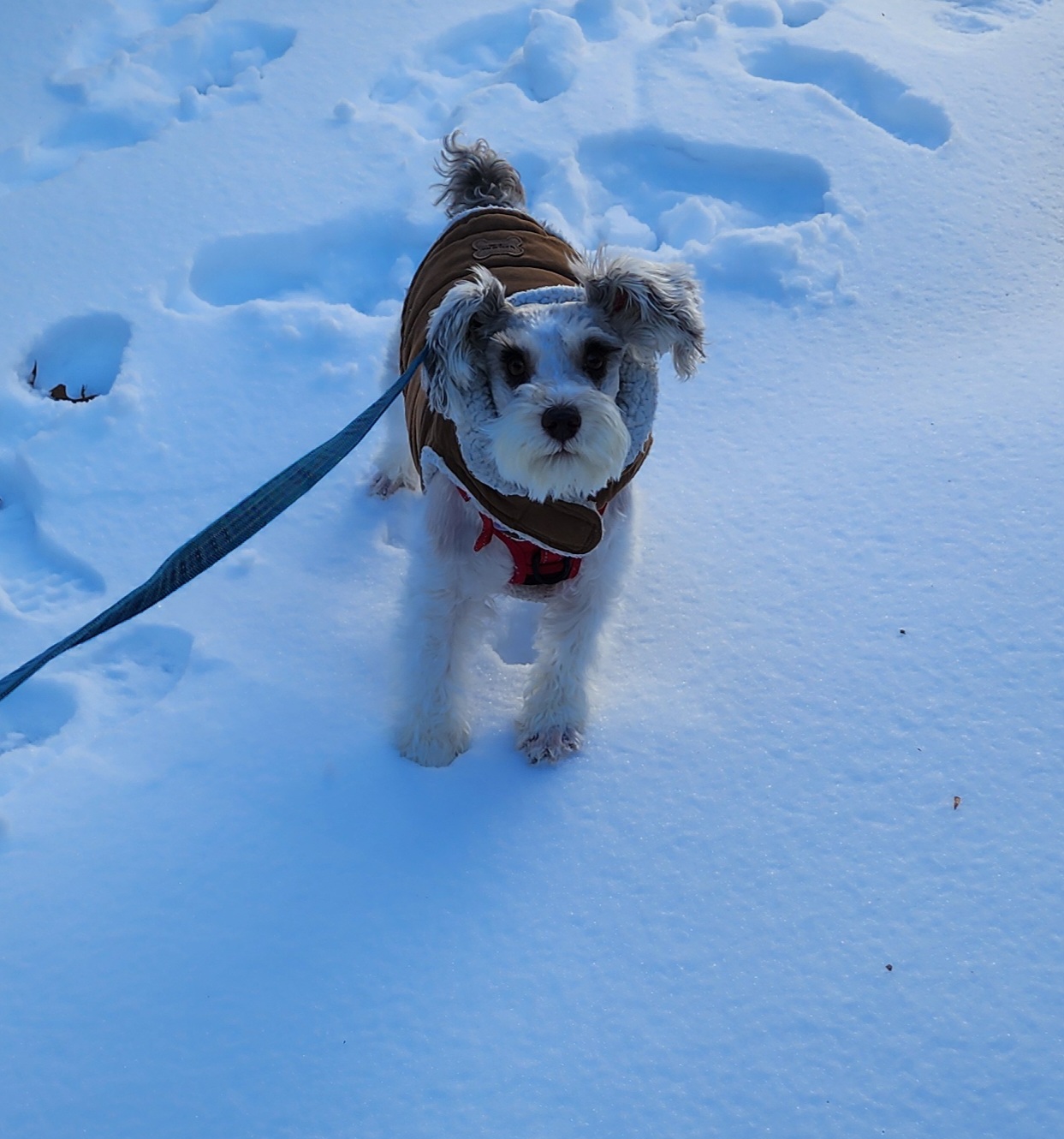
Planning a mountain cabin vacation is one of our favorite ways to slow down and enjoy a family getaway with our Miniature Schnauzer, Angel. We love the combination of mountain scenery, a comfortable place to settle in, and enough space to bring the things that make traveling with our dog easier.
After multiple mountain cabin stays, we have learned that the preparations we complete before leaving home make the biggest difference. Checking what the cabin provides, saving directions and offline maps, keeping Angel’s supplies accessible, and reviewing current weather and road conditions have all helped our trips go more smoothly.
This guide focuses on the decisions and checks we complete before leaving home for a mountain cabin. We cover detailed packing, vacation-rental research, and what we inspect after arriving in separate guides so this checklist can stay focused on pre-trip planning.
Affiliate Disclosure: This post may contain affiliate links. If you make a purchase, complete a booking or rental, create a qualifying listing, subscribe to a service, or take another qualifying action through one of these links, we may earn a commission at no additional cost to you.
As an Amazon Associate I earn from qualifying purchases.
Advertising Disclosure: This website may display advertisements provided by third-party advertising partners, including Google AdSense. Advertising helps support Travelers and a Schnauzer and allows us to continue providing free travel resources, destination guides, and planning tips for our readers.
Our Quick Mountain Cabin Vacation Planning Checklist
Before leaving home, these are the main things we want completed:
- Confirm the cabin reservation and arrival instructions
- Review the property’s current pet policy and applicable fees
- Check what the cabin actually provides
- Review the mountain weather forecast
- Check for current road closures or travel advisories
- Plan the driving route and fuel stops
- Download offline maps
- Identify grocery options near the cabin
- Plan food for at least the first evening and following morning
- Organize Angel’s frequently used supplies
- Pack medications and emergency essentials
- Charge phones, watches, tablets, and power banks
- Place frequently used items where we can reach them
- Complete one final house-and-vehicle check before leaving
Even when we are returning to a familiar mountain area, we still review the basics. Busy weeks make it surprisingly easy to overlook something that normally feels obvious.
Review the Cabin Reservation After Booking
A few days before departure, one of the first things we do is reopen the reservation confirmation and arrival information.
This is different from researching a property before booking. At this stage, we are confirming the details for the specific cabin we have already reserved rather than relying on what we remember from the original listing.
We look for:
- Check-in time
- Check-out time
- Door code or key-pickup instructions
- Parking instructions
- Property address
- Wi-Fi information
- Emergency or property-management contact information
- Current pet rules
- Pet fees
- Checkout requirements
- Any new notices or instructions from the owner or property manager
Mountain properties sometimes have arrival details that matter more than they would at a typical hotel. A cabin may be located away from the main road, use a gated entrance, have limited parking, or require directions that are easier to understand before arriving after a long drive.
We save the most important information somewhere we can access without depending entirely on cellular service.
If you are still deciding which property to reserve, our How We Research a Vacation Rental Before Booking guide explains the process we use before making a reservation.
We also have a separate list of Questions We Ask Before Booking a Vacation Rental With Our Dog.
Check What the Cabin Provides
Checking the cabin’s confirmed amenities is one of the easiest ways we have found to avoid both underpacking and overpacking.
Cabins can vary considerably. Some provide nearly everything we expect, while others offer only the basics. Before filling the vehicle, we review the listing, reservation confirmation, and arrival information to determine what is actually included.
The most important things for us to confirm are:
- Bed linens and towels
- Kitchen cookware
- Dishes and utensils
- Coffee maker
- Paper products
- Dish soap
- Laundry facilities
- Hair dryer
- Grill or outdoor cooking area
- Hot tub or pool access
- Dog-specific amenities, if advertised
If something will be important to our stay, we would rather verify it than assume it will be available. We also distinguish between an amenity being shown in a photograph and being specifically listed as part of the current reservation.
Our How We Pack for a Week in a Cabin With Our Schnauzer guide covers the detailed packing side of a longer cabin stay.
Keeping the two processes separate helps us. This planning checklist covers what we confirm before leaving, while the cabin-packing guide covers what actually goes into our bags and vehicle.
Check Mountain Weather More Than Once
We normally check the forecast several days before leaving and then check it again the evening before departure.
Mountain weather can affect much more than clothing. Conditions may influence road safety, visibility, outdoor plans, how much time we allow for the drive, and what Angel may need during stops or outdoor activities.
Depending on the season and forecast, we may add:
- Lightweight rain jackets
- Hoodies or sweaters
- Extra socks
- Waterproof shoes
- Gloves or hats
- Additional layers
- Blankets for outdoor evenings
Layers give us more flexibility than planning around one heavy piece of clothing.
If significant weather is expected, we want to know before we are already on the road. Current forecasts, official weather alerts, local road information, and instructions from the property owner or management company should always take priority over a general travel plan.
We also reconsider the timing of our drive when conditions could make unfamiliar mountain roads more difficult.
Plan the Mountain Drive Before Leaving Home
GPS makes road trips easier, but we do not like depending on a live cellular connection for every part of the trip.
Before leaving, we:
- Save the complete cabin address
- Download offline maps
- Review the primary route
- Identify an alternate route when practical
- Check for known road closures
- Identify reasonable fuel stops
- Locate grocery stores near the cabin
- Save important contact numbers
- Allow extra time for unfamiliar mountain roads
Google Maps works well for our family because we can prepare an offline map before leaving an area with stronger service.
We still review the route instead of following it blindly. A suggested route may include narrow roads, steep grades, construction, or an entrance that is easier to miss after dark.
We also confirm that the cabin address opens correctly in our navigation app. When an owner or property manager provides special directions for the last portion of the drive, we save those directions with the reservation information.
Our Family Road Trip Packing Checklist covers the broader road-trip side of our preparation.
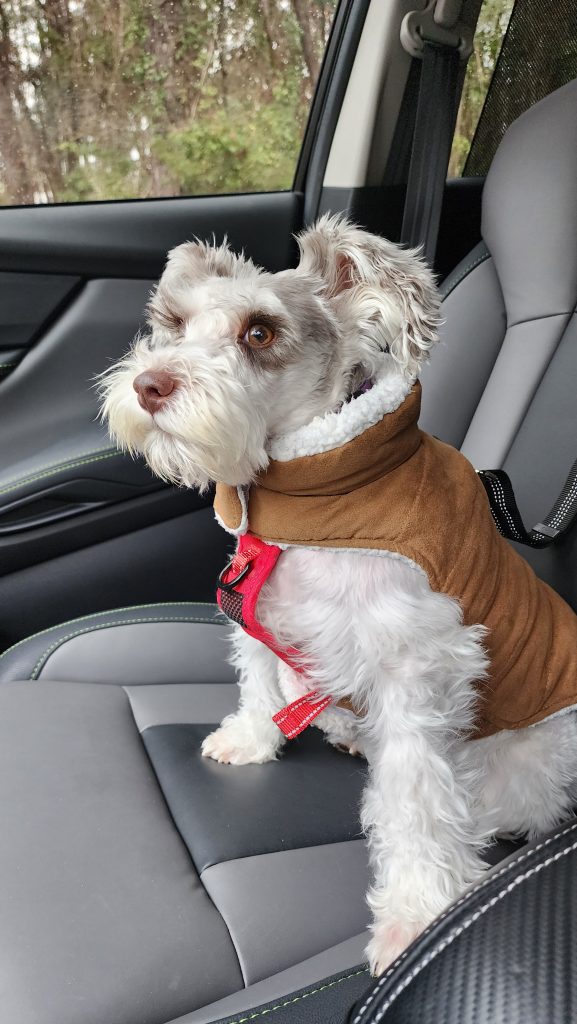
For Angel’s comfort during longer drives, see How We Keep Our Schnauzer Comfortable on Long Drives.
Keep Angel’s Supplies Accessible
We pack Angel’s supplies together and keep the items we may need during the drive—water, a bowl, leash, harness, waste bags, treats, and any medications—within easy reach.
Her remaining supplies stay together so we can carry them into the cabin without searching through the rest of the luggage.
Our complete Our Dog Travel Bag: What We Pack for Angel guide covers the full list of items we bring for her.
A few products we personally use can make this organization easier.
Collapsible Bowls
We own and use collapsible bowls because they take up very little space and are easy to keep with Angel’s travel supplies.
View the Collapsible Bowls we use (paid link)
Dog Travel Water Bottle
We use a dog travel water bottle during road-trip stops and outings away from the cabin. Keeping it accessible means we do not have to unpack Angel’s full travel bag when she needs water.
View the Dog Travel Water Bottle we use (paid link)
Travel Blanket
We also bring a familiar travel blanket. It gives Angel a recognizable place to rest in the vehicle or vacation rental and helps protect furniture from fur and everyday messes.
View the Travel Blanket we use (paid link)
These products are tools that work for our family rather than requirements for every traveler. The best choices depend on your dog, vehicle, destination, and the supplies you already own.
Plan Cabin Groceries Before the Drive
One lesson we have learned from mountain trips is not to assume that a quick grocery run will always be convenient after arriving.
A store that looks close on a map may still take time to reach from a mountain property. After a travel day, we usually prefer settling in rather than immediately getting back into the vehicle.
For at least our first evening and following morning, we plan:
- An easy first-night dinner
- Breakfast foods
- Sandwich supplies
- Road-trip snacks
- Coffee or tea
- Bottled water or other drinks
- Angel’s food and treats
- Paper towels or napkins, if the cabin does not provide them
- Food-storage bags or foil, if needed
Before packing kitchen supplies, we check the property information. There is no reason to fill the vehicle with items the cabin already provides.
For longer stays, we also identify grocery pickup or delivery options before leaving home. We verify the address, service area, pickup hours, and whether delivery drivers can reasonably reach the cabin.
We do not wait until everyone is hungry to begin researching the closest store.
Keep Cabin Packing Focused
We use the weather forecast, planned activities, length of stay, and confirmed cabin amenities to determine what we pack.
We also check prescription medications and device chargers separately because those items may be difficult or inconvenient to replace after arriving in a mountain area.
Instead of duplicating our complete packing list here, we use the dedicated How We Pack for a Week in a Cabin With Our Schnauzer guide.
Portable Power Bank
We own and use a portable power bank during long drive days and outings when a regular outlet is not convenient. We charge it before departure and place it with the electronics we can reach during the drive.
View the Portable Power Bank we use (paid link)
We still pack according to the actual trip rather than filling every available space simply because we have it.
Bring a Rainy-Day Backup Plan
We travel to the mountains because we want to enjoy the surroundings, but we do not assume every hour will be spent outside.
A few easy indoor options can make a rainy afternoon feel like part of the vacation instead of a disappointment.
Depending on the trip, we may bring or download:
- Card games
- Board games
- Books
- Coloring supplies
- Puzzle books
- Family trivia
- Movies or shows downloaded before leaving home
Downloading entertainment before the trip can be especially helpful if the cabin’s internet connection is slower or less reliable than expected.
We also confirm which activities work for our family rather than packing every possible indoor option.
Organize the Vehicle Around What We Need First
Vehicle organization matters more to us than creating a perfectly packed trunk.
We place water, snacks, Angel’s frequently used supplies, phone chargers, sunglasses, reservation information, and emergency items where we can reach them without unloading the vehicle.
The luggage that will not be needed until we enter the cabin can go farther back.
Packing Cubes
We own and use packing cubes to separate clothing and make it easier to move and unpack our belongings after arriving.
View the Packing Cubes we use (paid link)
The exact organization system matters less than knowing where important items are when we need them.
Prepare for Problems We Hope Never Happen
We never begin a trip expecting an emergency, but we feel better knowing that basic supplies and important information are available.
We bring family and pet first-aid supplies, emergency contact information, a flashlight, and appropriate vehicle-emergency equipment.
Our Pet Travel Emergency Kit Checklist contains our detailed pet-specific emergency list.
Pet First-Aid Kit
We own and carry a pet first-aid kit to keep basic pet-related emergency supplies together.
View the Pet First-Aid Kit we use (paid link)
Jump Starter With Air Compressor
We also own a jump starter with an air compressor. We carry it as part of our road-trip emergency preparation and check its charge before longer trips.
View the Jump Starter With Air Compressor we use (paid link)
Emergency products do not replace professional assistance, vehicle maintenance, veterinary care, or sound travel judgment. They are basic tools that may help while we arrange appropriate assistance.
Help Angel Settle Into the Cabin
Familiar bedding, favorite toys, a normal meal schedule, and a little time to explore help Angel become comfortable in a new cabin.
We keep this arrival routine simple because every dog responds differently to an unfamiliar environment.
Our How We Help Our Schnauzer Adjust to New Places While Traveling article explains the complete routine that works for us.
We save the property inspection, room setup, unpacking process, and other arrival procedures for our separate Vacation Rental Arrival Checklist.
Every Dog Is Different
The routines we use reflect what works for our family and Angel, but every dog has a different temperament, training history, age, health status, and comfort level.
Pay attention to how your own dog responds to travel and unfamiliar environments and adjust accordingly.
If a dog shows persistent anxiety, destructive behavior, excessive barking, physical discomfort, or another concerning change, a licensed veterinarian, qualified professional dog trainer, or veterinary behaviorist can help determine an appropriate response.
The goal is to make travel preparation easier, not to treat one family’s routine as a universal solution.
Complete One Final Cabin-Trip Check
Our last planning step happens immediately before leaving.
We walk through the house and check the vehicle one more time instead of trusting that everything made it into the car during the earlier packing.
For a mountain cabin trip, we confirm:
- Cabin address and arrival instructions are saved
- Offline map is available
- Current weather and road conditions have been checked
- Food, cooler, and Angel’s supplies are loaded
- Medications, wallets, identification, and phones are accounted for
- Navigation is ready
- Angel is safely secured for travel
Those few minutes have helped us catch forgotten items before they became vacation problems.
Our Travel Day Checklist for Dog Owners covers our broader travel-day routine with Angel.
Frequently Asked Questions About Mountain Cabin Vacation Planning
How far in advance should we book a mountain cabin?
There is no single booking window that works for every destination.
Popular dates such as holidays, fall foliage weekends, school breaks, and peak vacation periods may have less availability. It can therefore be helpful to begin looking earlier for those dates.
Always compare current listings for the destination and dates you are considering rather than relying on a fixed booking rule.
What should we verify before leaving for a cabin?
We start with the check-in instructions, property address, parking information, current pet rules, applicable fees, confirmed cabin amenities, weather, road conditions, and property contact information.
We save important information somewhere we can access even if cellular service is limited.
What do people commonly forget on cabin vacations?
Chargers, medications, dog waste bags, pet food, coffee supplies, basic seasonings, rain gear, flashlights, and reservation details can all be easy to overlook.
Separating the planning checklist from the packing checklist helps us check both the trip logistics and the physical items we need to bring.
Should we buy groceries before reaching the mountains?
We generally like having enough food with us for at least the first evening and following morning.
That gives us flexibility if the cabin is farther from a grocery store than expected or we simply do not want to go back out after traveling.
The best approach depends on the property’s location, available storage, trip length, and nearby shopping options.
Can we depend on cell service at a mountain cabin?
We do not plan around guaranteed cellular coverage.
Saving the cabin address, reservation information, important phone numbers, property directions, and offline maps before leaving gives us a backup if service becomes limited along the route or at the cabin.
What should we check about a pet-friendly cabin?
We verify the individual property’s current rules instead of assuming that “pet-friendly” means the same thing everywhere.
Important details can include:
- Number of pets allowed
- Size or breed restrictions, when applicable
- Pet fees or deposits
- Leash requirements
- Restricted areas
- Yard or fencing information
- Rules about leaving a pet unattended
- Furniture or bedding restrictions
- Cleanup requirements
We confirm these details directly through the current listing, reservation information, owner, or property manager.
How can we make a new cabin easier for our dog?
Familiarity helps Angel. We bring her usual supplies, maintain her normal routine where practical, allow her time to explore, and give her a familiar place to settle.
Every dog responds differently, so the best approach is the one that fits your own dog’s health, temperament, training, and needs.
What should we do if bad weather is expected?
Check current forecasts, official weather alerts, and available road information before departure. Continue monitoring conditions as the trip approaches.
Depending on the forecast, it may be appropriate to adjust the departure time, allow more travel time, change outdoor plans, or follow instructions from local officials or the property manager.
Do not rely on a general travel article for real-time weather or road-safety decisions.
Final Thoughts
Our mountain cabin trips are more relaxing when the important decisions are handled before we leave home.
For us, the most useful checklist is not simply a list of clothing and supplies. It is a sequence:
- Confirm the reservation.
- Understand what the property provides.
- Check the weather and road conditions.
- Save the route and offline directions.
- Plan arrival-day food.
- Organize Angel’s frequently used supplies.
- Prepare basic emergency equipment.
- Complete one final check before leaving.
That preparation gives us more time to enjoy the part we actually traveled for—the mountains, the cabin, and time together as a family with Angel.
Save this mountain cabin vacation planning checklist before your next getaway and adjust it to fit your destination, season, family, vehicle, and dog.
Before You Go
Travel details can change over time. Before your trip, verify important information such as:
- Cabin check-in and check-out procedures
- Property amenities
- Pet policies and fees
- Road closures or construction
- Local weather forecasts and alerts
- Reservation requirements
- Seasonal conditions
Always confirm important current information directly with the property owner, management company, transportation provider, local authority, or other applicable official source before traveling.
Product Recommendation Notice
Products recommended throughout this article are products we personally own and use during our travels. They are included because we believe they may be helpful for families traveling with their dogs. Individual experiences and needs may differ, so readers should review current product details and decide what is appropriate for their own family, dog, vehicle, and trip.
Travel Information Disclaimer
Travel information is provided for general planning purposes only. Regulations, policies, pet requirements, availability, admission fees, weather conditions, and operating hours may change. We recommend confirming current information directly with the applicable business, property owner, management company, transportation provider, local authority, or government agency before traveling.
Accuracy Notice
We make every effort to provide accurate and up-to-date information. However, travel policies, operating hours, pet rules, reservation procedures, pricing, and other details may change without notice. Always verify important information directly with the official provider before making travel plans.
Accommodation Notice
Property amenities, pet policies, fees, availability, and reservation requirements may change over time. Always review the property’s current official listing or contact the owner or management company directly before booking or traveling.
Safety Disclaimer
Every travel situation is unique. Always exercise good judgment, follow posted rules, comply with local laws, monitor weather and road conditions, and prioritize the safety of yourself, your family, and your pets. Travelers and a Schnauzer is not responsible for decisions made based on the information contained in this article.
Weather Disclaimer
Weather conditions can change rapidly and may affect travel safety, road access, hiking conditions, property operations, and outdoor activities. Always review current forecasts and official weather alerts before traveling.
Pet Travel Disclaimer
Every pet has different needs, abilities, health considerations, and comfort levels while traveling. Evaluate your dog’s health, temperament, and travel readiness before each trip, and verify current pet policies with accommodations, attractions, campgrounds, and transportation providers before departure. Consult a licensed veterinarian when you have questions concerning your pet’s health or travel readiness.
External Links Disclaimer
This article may contain links to third-party websites for your convenience. Travelers and a Schnauzer is not responsible for the content, availability, accuracy, security, or privacy practices of external websites. Readers should review the policies and terms of any website they choose to visit.
Leave a Reply